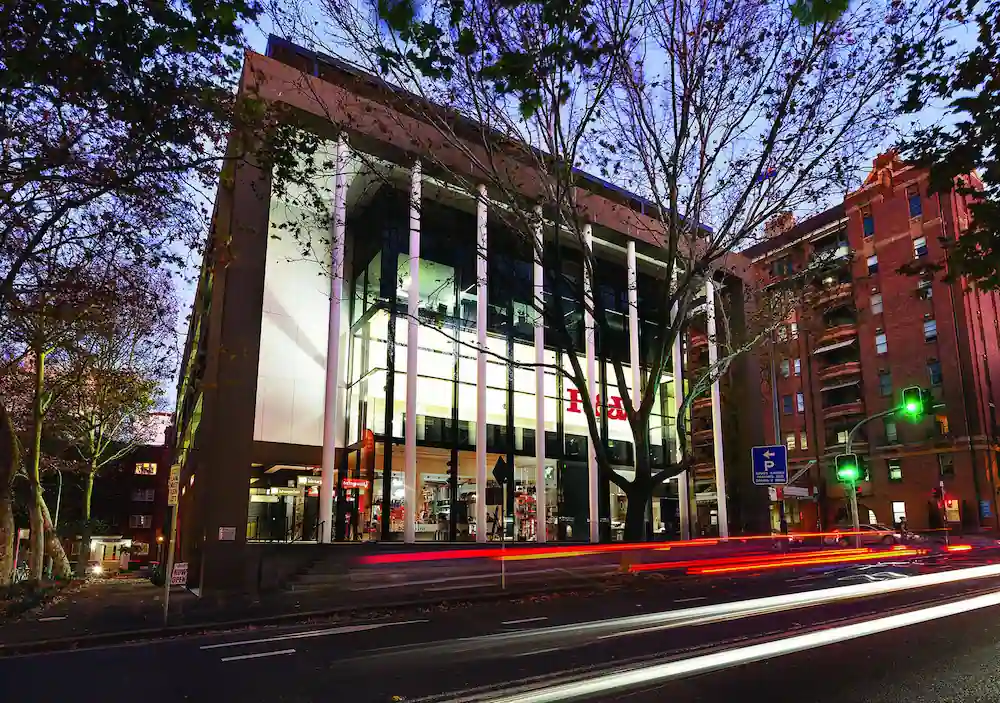



143 Brougham Street, Woolloomooloo

143 Brougham Street is for sale through Jason Boon, Geoff Cox and Josh Reid Real Estate
Real Estate For Sale – 143 Brougham Street – Woolloomooloo , NSW
Brougham Street is one the most interesting streets in the 2011 postcode area and Woolloomoolooo is one of the oldest settled areas in Sydney.
Woolloomooloo was originally a working-class district of Sydney and has only recently changed with gentrification of the inner city areas of Sydney. The redevelopment of the waterfront, particularly the construction of the housing development on the Finger Wharf, has caused major change.
Woolloomooloo is also home to Artspace, an independent, not-for-profit, contemporary art space which is located in the heritage-listed Gunnery building.
The first homestead in the area, Woolloomooloo House, was built by the first landowner John Palmer.
An 1832 map by Thomas Mitchell shows “Woolloomooloo Estate” extending from the road “To South Head” northwards to Woolloomooloo Bay. To the east lies a hill with windmills and a “New Prison”, and land grants on the peninsula that is now the suburbs of Potts Point and Elizabeth Bay.
In the 1840s, the farm land was subdivided into what is now Woolloomooloo, Darlinghurst and parts of Surry Hills. Originally the area saw affluent residents building grand houses, many with spectacular gardens, attracted by the bay and close proximity to the city and Government House.
The area slowly started to change after expensive houses were built in Elizabeth Bay and further east and a road was needed from Sydney. It was for this reason that William Street was built, dividing the land for the first time.
Woolloomooloo Bay was used extensively as a port. As recently as October 1971, the Maritime Services Board opened a 200 metre berth on the western side of the bay.[5]
Brougham Street was named after Lord Henry Brougham, who grew up amid the genteel poverty of Edinburgh. Brougham had much influence in early Australia. His advocacy encouraged the founding of mechanic’s institutes in Sydney (1826), Hobart (1829), Adelaide (1838) and Melbourne (1839).
Number 43 is a classic terrace in the Italianate style during the late 19th century building boom with its fine balcony lace work and use of Sydney sandstone. It retains original fireplaces, stairway balustrades and high ceilings.
By Andrew Woodhouse Heritage Solutions